





The effects of chlorine on drinking water
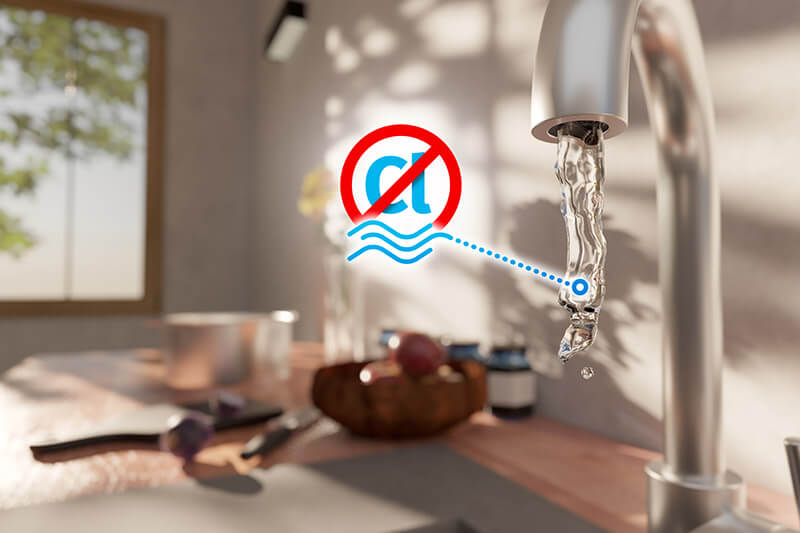

Chlorine is one of the most common disinfectants used in drinking water treatment. Its use began at the beginning of the 20th century and has been instrumental in reducing waterborne diseases such as cholera and gastroenteritis. However, while chlorine has saved countless lives by disinfecting water, there are growing concerns about the long-term effects of its use on human health.
Positive Effects of Chlorine
Chlorine is highly effective in eliminating pathogenic microorganisms in drinking water. Thanks to its use, diseases caused by bacteria and viruses in water have been dramatically reduced. The easy availability and low cost of chlorine make it ideal for mass disinfection of water in large cities and communities.
Negative Effects of Chlorine
Despite the benefits, the negative effects of chlorine in drinking water are worrying. As noted, the negative effects of chlorine may be more serious than the benefits it provides. Chlorine, when in contact with organic materials in water, creates chloroform and other organochlorine compounds. These compounds, known as disinfection by-products, have been linked to several serious diseases.
Heart Disease and Cancer
Drinking chlorinated water has been associated with an increased risk of heart disease and cancer. Research suggests that the chemical compounds formed when chlorine combines with organic materials can lead to cardiovascular disease, heart attacks and cancer. The great scientist Joseph Price said that chlorine is one of the biggest contributors to disability and death in modern societies. He described it as an “insidious poison” and pointed out that water chlorination is the main factor in hardening of the arteries and heart disease.
Nervous and Kidney Diseases
In addition to heart disease and cancer, chlorine has also been linked to nerve and kidney disease. Chloroform and other organochlorine compounds can cause liver and kidney damage as well as nervous system problems. Greenpeace has reported that at least 177 organochlorine compounds have been detected in blood, semen, breast milk and other parts of the human body, causing cancer, miscarriages, and problems with reproduction and fertility.
Effects on the Immune System
Chlorine and its compounds can also affect the immune system. The build-up of these substances in the body can cause damage to the immune system, making the person more vulnerable to infections and other diseases.
Solutions and Suggestions
The installation of certified water filters, such as Camelot’s®, in homes and businesses can help completely remove chlorine and its by-products from drinking water. Certified activated carbon filters in an amount over 800 grams, for example, are effective in removing chlorine and organochlorinated compounds, offering clean, healthy and safe drinking water.
Conclusion
In conclusion, while chlorine plays an important role in the eradication of waterborne diseases, its negative health impacts are large and very serious and should be taken seriously by all. Therefore, they should purchase a modern certified filter that will remove 100% of the chlorine from the water and all other pollutants and pathogens that may be present in the water from poor chlorination.