




25 Reasons why drinking bottled water has proven to be problematic
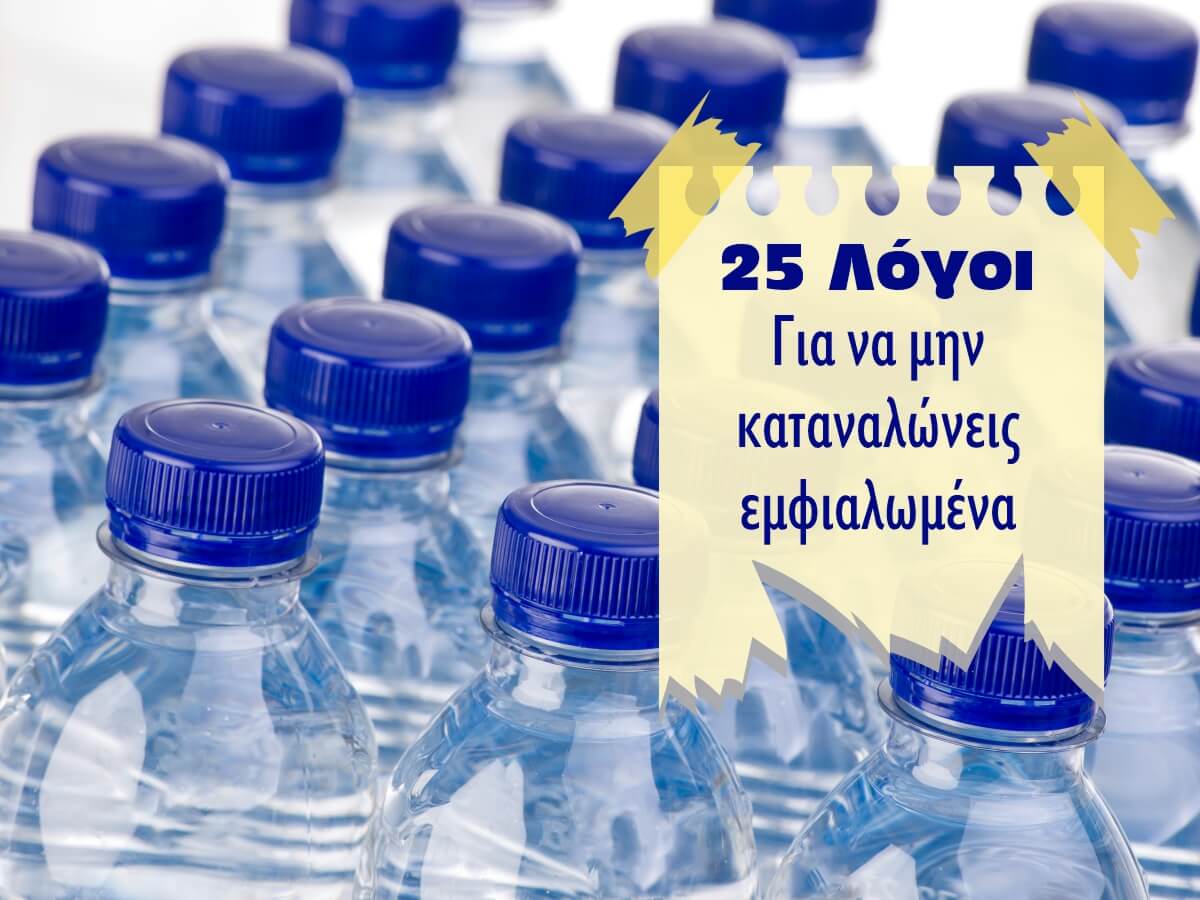
Drinking bottled water has proven problematic for a variety of health, environmental, and economic reasons. Here are twenty-five different sources that analyze the reasons why bottled water is problematic:
- Microplastics: Studies have shown that bottled water contains high levels of microplastics and nanoplastics, which have negative effects on human health, including respiratory and immune system disorders(Clean Water Action)(Nature)(Welcome to UCLA Health) and more.
- Nanoplastics: New research shows that bottled water can contain up to 240,000 nanoplastic particles per litre, which can negatively affect health over time(Welcome to UCLA Health).
- Bisphenol A (BPA):Plastic bottles contain BPA, a chemical that has been linked to various health problems, including hormonal imbalances and an increased risk of cancer(PrivLbWater)
- Chemicals: Often, bottled water contains chemicals used in disinfection, such as chlorides and trihalomethanes, which are carcinogens(EWG).
- Insufficient regulation: while bottled water in America is regulated by the FDA, the controls are few and less stringent than those for tap water, leading to higher levels of contaminants(Clean Water Action(EWG)).
- Environmental burden: The production and disposal of plastic bottles contributes significantly to plastic pollution, ending up in landfills and oceans, and the production process uses huge amounts of energy and water(Clean Water Action)(EWG).
- Cost: Bottled water is significantly more expensive than tap water, costing the consumer on average 1,000 times more, without offering the same quality or safety(Clean Water Action).
- Opaque origin: many bottled water companies do not disclose the source of their water, creating uncertainty about its quality and purity(EWG).
- Water depletion: extracting water for bottling reduces local water resources, affecting the communities that depend on them(EWG).
- Waste management: the management of plastic bottle waste is a serious problem, with many of them not being recycled and ending up in landfills and oceans(EWG).
- Unreliable quality tests: The bottling industry is not required to conduct regular quality tests or to make the results of these tests public, unlike tap water companies that are required to provide such information to consumers(Clean Water Action)(EWG). In Greece, according to a new Joint Ministerial Decision (CMD), bottled water must be tested within 12 hours of bottling, and the water must be kept at the stated temperatures per water category. However, consumers consume this water after several months or even years, during which time the water remains stagnant and at unknown conditions and temperatures.
- Excess microbes: some analyses of bottled water have shown high levels of microbes and bacteria, making it less safe than tap water(PrivLbWater). Research has found 33% to be contaminated with pathogens.
- Carbon footprint: The production and transport of bottled water has a high carbon footprint, contributing to greenhouse gas emissions and climate change(EWG).
- Recycling: only a small percentage of plastic bottles are recycled, with most ending up as waste(EWG).
- Plastic additives: Plastic bottles may contain various chemical additives that can melt in water, especially when exposed to heat or light(PrivLbWater).
- Plastic pollution: microplastics from bottles can enter the oceans, harming the marine environment and marine species(Nature).
- Need for alternatives: Switching to sustainable solutions, such as using filtered tap water from certified filters and reusable stainless steel containers, is critical to reducing our reliance on hazardous plastic bottles(Clean Water Action)(EWG).
- Public health: Health problems associated with bottled water consumption, such as effects from microplastics and chemicals, are a major public health concern(Nature)(Welcome to UCLA Health).
- Soil and water pollution: The degradation of plastic bottles contributes to soil and water pollution, harming the natural environment and biodiversity(Nature).
- Competition with tap water: The use of bottled water that is also of dubious quality can reduce consumer confidence in tap water and deter investment in infrastructure to improve tap water quality(EWG).
- Transport and Temperatures: When transporting bottled water, high temperatures can affect the quality of the water. Plastic bottles, when exposed to heat, can melt chemicals such as bisphenol A (BPA) and phthalates in water, increasing the health risk to consumers. In addition, transporting bottled water requires significant fuel consumption, increasing the industry’s carbon footprint(EWG)(PrivateLabelWater).
- Storage areas: Bottled water is often stored for long periods of months or even years before being consumed. During this period, storage conditions can be problematic, resulting in the growth of microorganisms in the water. In addition, repeated exposure of plastic bottles to temperature changes can enhance the release of harmful substances into the water(PrivateLabelWater).
- Time and fatigue: buying and transporting bottled water can be an extremely tedious and time-consuming process. Consumers often have to visit stores, buy heavy containers and carry them home. This process requires physical effort, especially when large quantities of water need to be carried, and can be particularly difficult for the elderly, people with mobility problems or those who do not have private transport. In addition, the frequent need to purchase bottled water consumes valuable time that could be used more productively in other activities(Clean Water Action)(PrivateLabelWater). This additional reason adds to the problems of bottled water consumption, showing how it can negatively affect consumers’ daily lives and quality of life. Switching to more sustainable and practical solutions, such as using filtered tap water and reusable containers, can eliminate this hassle and improve the overall water consumption experience.
- Insufficient use of bottled water in daily activities: Many households use bottled water exclusively for drinking, while continuing to use tap water for other activities such as cooking and washing food. This creates a paradoxical situation where consumers choose bottled water for safety and quality reasons, but are in fact exposed to the same potential contaminants that they are trying to avoid when using tap water for other daily needs. This practice effectively nullifies their efforts to protect their health, as contaminants from tap water can enter the body through the consumption of cooked food and beverages(Clean Water Action)(EWG)(PrivateLabelWater).The partial use of bottled water suggests a misconception of water safety and quality, as well as a waste of money and resources. The comprehensive solution would be to improve the quality of tap water and use water filtration systems that can ensure safe and clean water for all uses in the household, saving time, effort and money.
- Storage and Space Saving: Storing large quantities of bottled water requires significant space in homes and businesses. Plastic bottles, especially when purchased in large quantities, take up valuable space that could be used for other needs. In addition, managing and organising these stocks can be difficult and time-consuming, creating additional stress for households and businesses(Clean Water Action)(EWG). This storage problem is compounded by the need to keep bottles in suitable conditions, away from high temperatures and direct sunlight, to prevent the release of harmful substances into the water. This extra care required for proper storage adds another factor of cost and inconvenience to the consumption of bottled water(PrivateLabelWater). By using home water filtration systems, the need to store large quantities of bottled water can be removed, saving space and making daily water management easier(Clean Water Action)(EWG).
In summary, the 25 reasons why bottled water is problematic cover a range of health, environmental, economic and practical issues, highlighting the need for alternatives and better management of our water resources. The overall picture shows that bottled water consumption is detrimental to both health and the environment, making it necessary to promote sustainable solutions and improve tap water infrastructure.